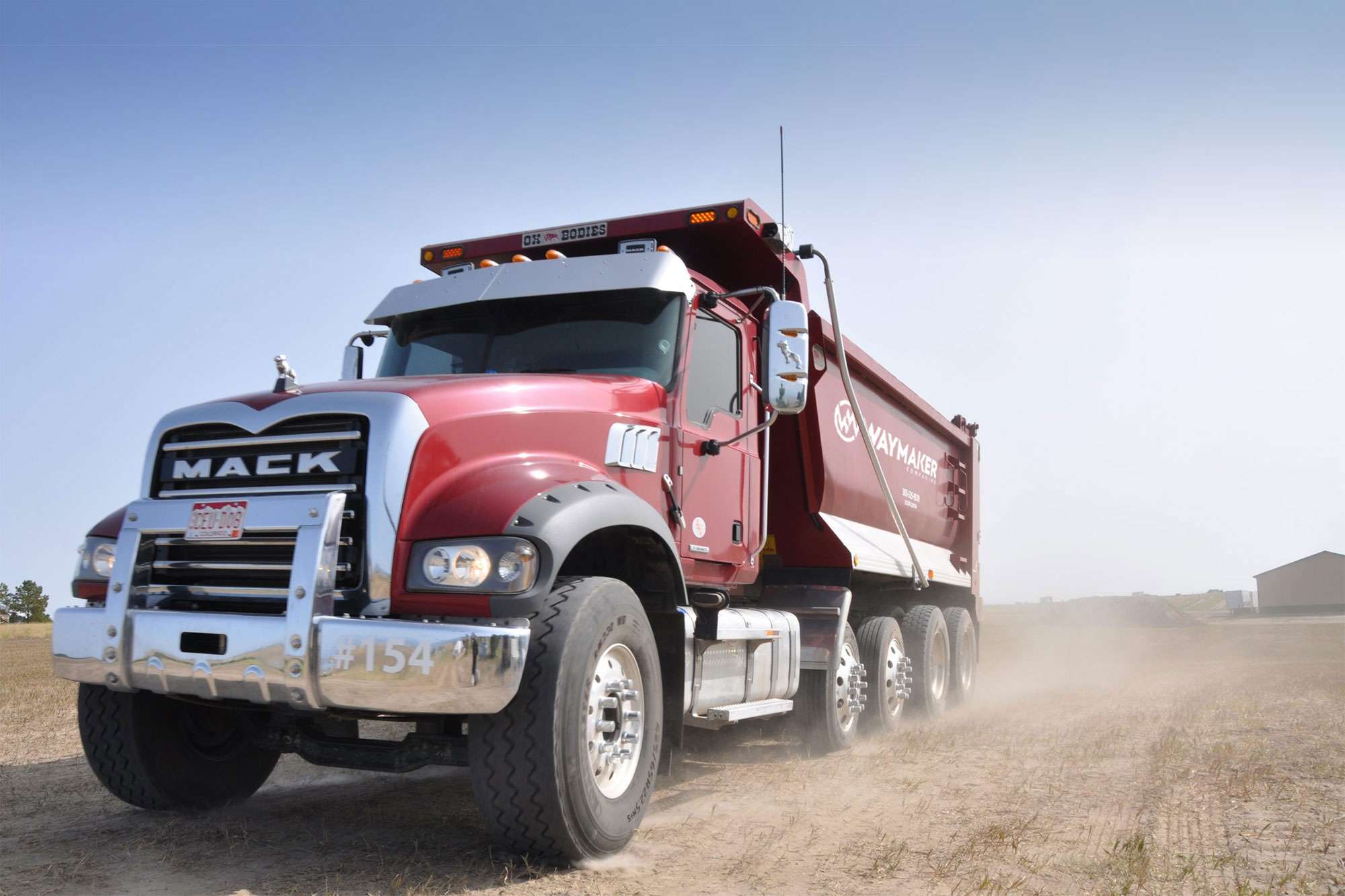
As a company dedicated to building and maintaining dirt and gravel roads, we understand the crucial role these roads play in connecting communities, facilitating transportation, and supporting various industries. While dirt roads are often associated with rural landscapes, their significance extends far beyond these areas. In this blog post, we will delve into the importance of dirt road maintenance and why investing in the upkeep of these roads is essential for the well-being of communities and the economy.

Accessibility and Connectivity
Dirt roads serve as lifelines for many communities, connecting remote areas to urban centers and facilitating the transportation of goods and services. Proper maintenance ensures year-round accessibility, allowing residents, farmers, and businesses to connect with essential services and markets. Well-maintained dirt roads contribute to the overall connectivity of regions, promoting economic growth and development.
Safety for Users
Maintenance is paramount for ensuring the safety of all road users. Unmaintained dirt roads are prone to potholes, erosion, and other hazards that can lead to accidents and vehicle damage. Regular grading, drainage management, and dust control measures are essential to create a safer travel environment. By investing in maintenance, we contribute to reducing the risk of accidents and enhancing the overall safety of the road network.
Durability and Longevity
Dirt roads are exposed to various weather conditions, including rain, snow, and extreme temperatures. Without proper maintenance, these environmental factors can accelerate wear and tear, leading to deterioration of the road surface. Regular maintenance activities such as grading, gravel replenishment, and erosion control help extend the lifespan of dirt roads, making them more durable and resilient in the face of weather-related challenges.
Economic Benefits
Dirt roads are integral to the success of many industries, including agriculture, forestry, and mining. Timely maintenance ensures that these industries can transport their products efficiently and cost-effectively. A well-maintained road network supports economic activities by reducing transportation costs, minimizing vehicle wear and tear, and enhancing the overall productivity of businesses that rely on these routes.
Environmental Stewardship
Effective dirt road maintenance practices also contribute to environmental sustainability. Proper drainage management and erosion control prevent soil runoff, protecting nearby ecosystems and water bodies from contamination. Dust control measures reduce air pollution, creating a healthier environment for both residents and wildlife.
These roads are vital arteries that connect communities, support economic activities, and foster regional development. As a company committed to building and maintaining dirt and gravel roads, we recognize our role in ensuring the longevity, safety, and accessibility of these critical pathways. By investing in regular maintenance, we not only contribute to the well-being of communities but also play a key role in sustaining the economic and social fabric of the regions we serve.